Contexts & traditions

Ayahuasca (ceremonial) contexts

Below are the main types of ayahuasca-style ceremonies. Between these types there can be overlap, and there exists a whole spectrum of ceremony styles, including those from indigenous groups such as the Yawanawá and Huni Kuin, whose traditions have become more visible through recent intercultural exchange.

Besides choosing a context, it is essential to thoroughly research the reputation of facilitators or groups through references and trustable sources. A title or self-designation such as ‘shaman’ offers no guarantee of safety, authenticity, or ethical conduct.

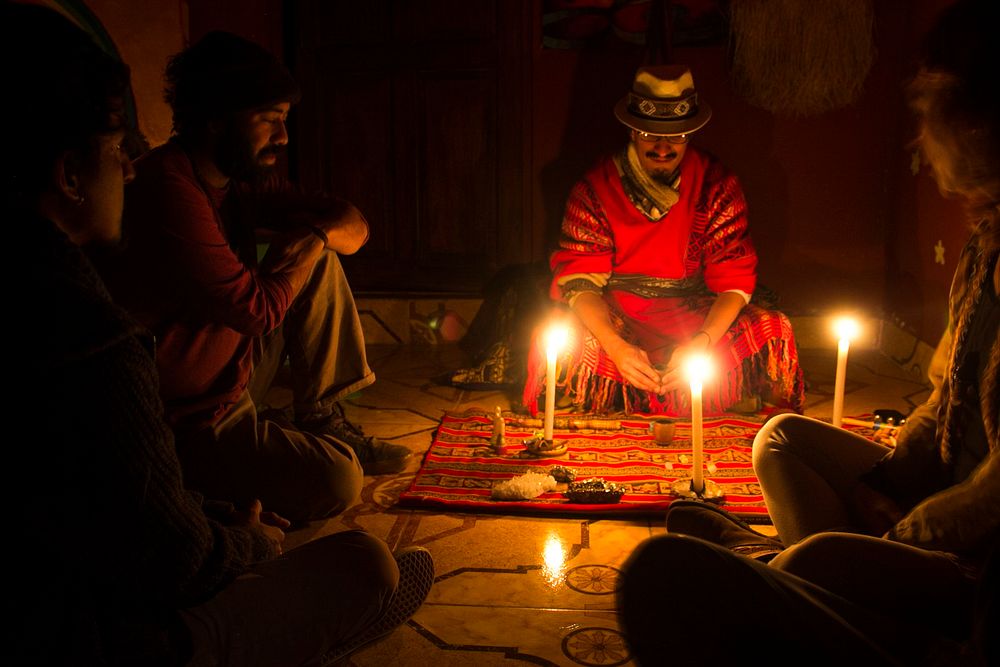
A candlelit Amazonian ayahuasca ceremony led by an ayahuasquero in traditional dress

Traditional indigenous shamanism

Rooted in Amazonian tribes such as the Shipibo-Konibo and Urarina, ayahuasca ceremonies are led by shamans (ayahuasqueros) who use icaros (sacred songs), tobacco, and other rituals to facilitate healing and spiritual guidance.

These practices are deeply intertwined with the community’s cosmology and ancestral traditions.
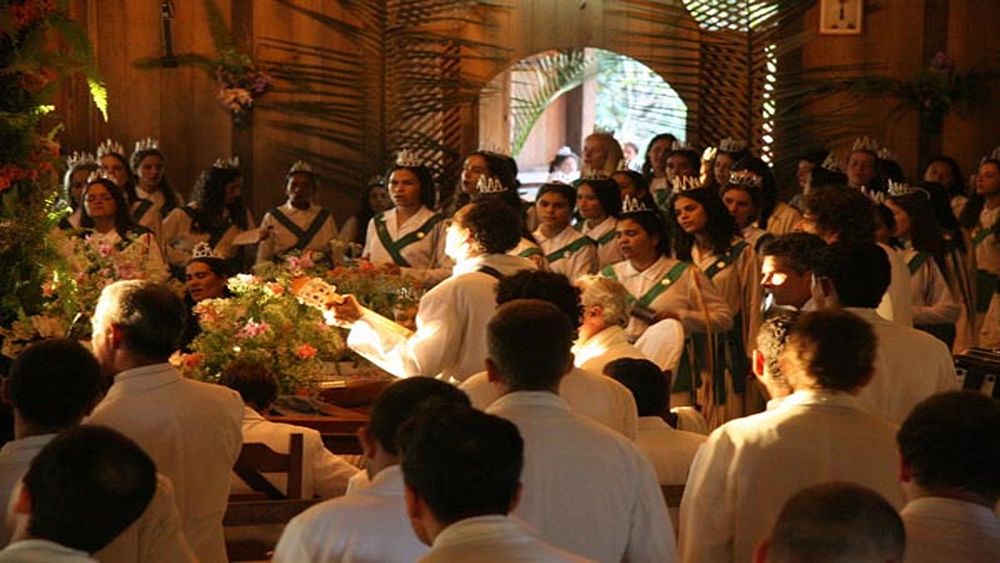
A Santo Daime gathering in white dress with green sashes in a church-like setting

Syncretic religious traditions

In Brazil, syncretic religions like Santo Daime and União do Vegetal (UDV) incorporate ayahuasca (referred to as “Daime” or “Hoasca”) into Christian-inspired rituals.

These ceremonies blend elements of Catholicism, Spiritism, and Afro-Brazilian religions, often conducted in structured, church-like settings with hymns and formal attire.

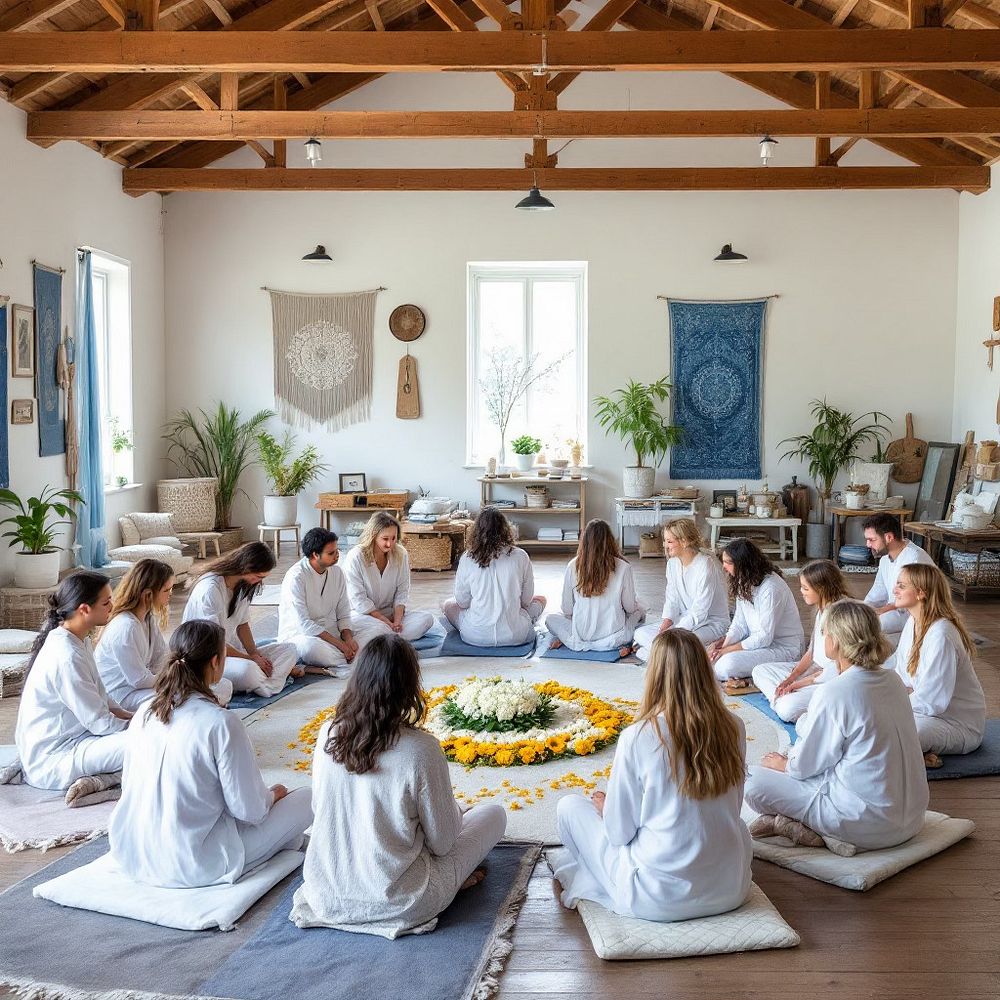
Participants in white seated in a circle around flowers in a bright modern room

Neo-shamanic

This modern adaptation is often favourable to Western participants seeking personal or spiritual growth experiences. Settings are often more comfortable than those used in shamanic-style ceremonies and more culturally accessible for Western participants.

Ceremonies often blend elements from various traditions and are conducted by facilitators or self-identified shamans.

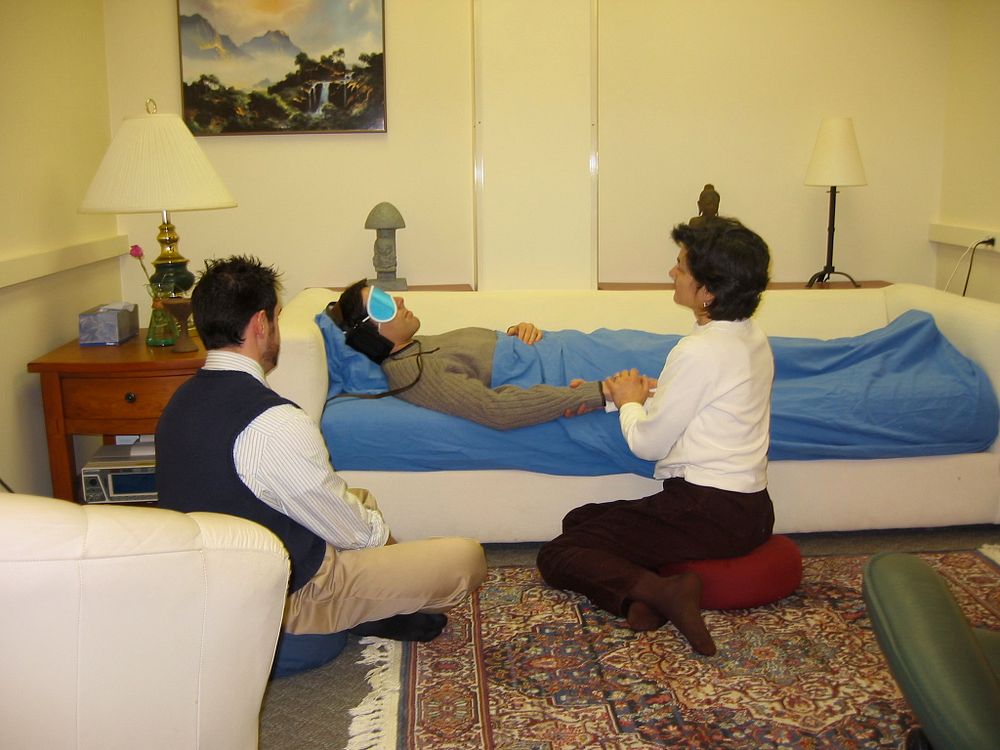
A facilitator supporting a person resting on a couch in a therapeutic session

Therapeutic and clinical settings

Modern therapeutic approaches can involve the use of ayahuasca in controlled environments, often facilitated by psychologists or medically trained professionals. While some maintain ceremonial elements, others focus primarily on the clinical application.

These psychedelic-assisted sessions focus on mental health treatment, including addressing depression, PTSD, and addiction, emphasising integration and aftercare.

Readiness assessment

Whichever context calls you, start here.

Before choosing where and how, take an honest look at whether the moment is right.

Inner calling & motivation

Explore your motivation, and whether this decision is truly yours.

Emotional readiness

Your ability to navigate deep, difficult emotions without forcing an outcome.

Practical preparation

The difference between research and genuine readiness.

Psychological & ego strength

Whether you can stay grounded when things feel unfamiliar.

Take the readiness assessment

This readiness assessment cannot determine medical suitability. Medication, psychiatric history and health conditions need proper screening with qualified healthcare professionals.