Contexts & traditions
Ayahuasca (ceremonial) contexts
This page describes the main kinds of setting in which ayahuasca is drunk today, from Indigenous ceremonies and syncretic religious traditions such as Santo Daime to neo-shamanic circles and therapeutic and clinical settings, and why the setting shapes the experience. It is for anyone weighing where, and with whom, to drink.
Last updated 28 October 2026.
Below are the main types of ayahuasca-style ceremonies. Between these types there can be overlap, and there exists a whole spectrum of ceremony styles, including those from indigenous groups such as the Yawanawá and Huni Kuin, whose traditions have become more visible through recent intercultural exchange.
Besides choosing a context, it is essential to thoroughly research the reputation of facilitators or groups through references and trustable sources. A title or self-designation such as ‘shaman’ offers no guarantee of safety, authenticity, or ethical conduct.
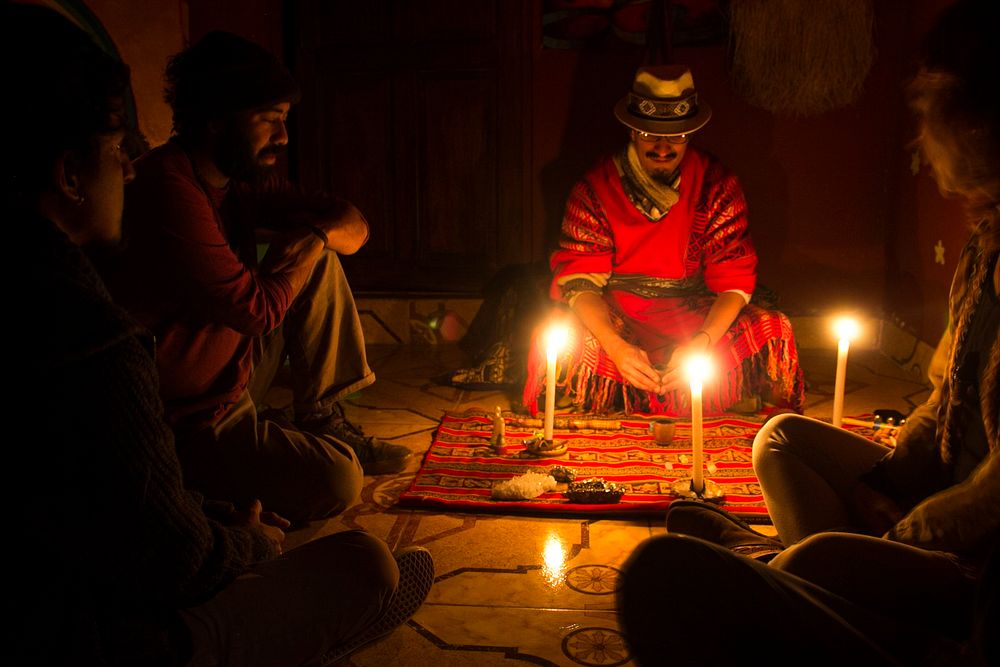
Traditional indigenous shamanism
Rooted in Amazonian tribes such as the Shipibo-Konibo and Urarina, ayahuasca ceremonies are led by shamans (ayahuasqueros) who use icaros (sacred songs), tobacco, and other rituals to facilitate healing and spiritual guidance.
These practices are deeply intertwined with the community’s cosmology and ancestral traditions.
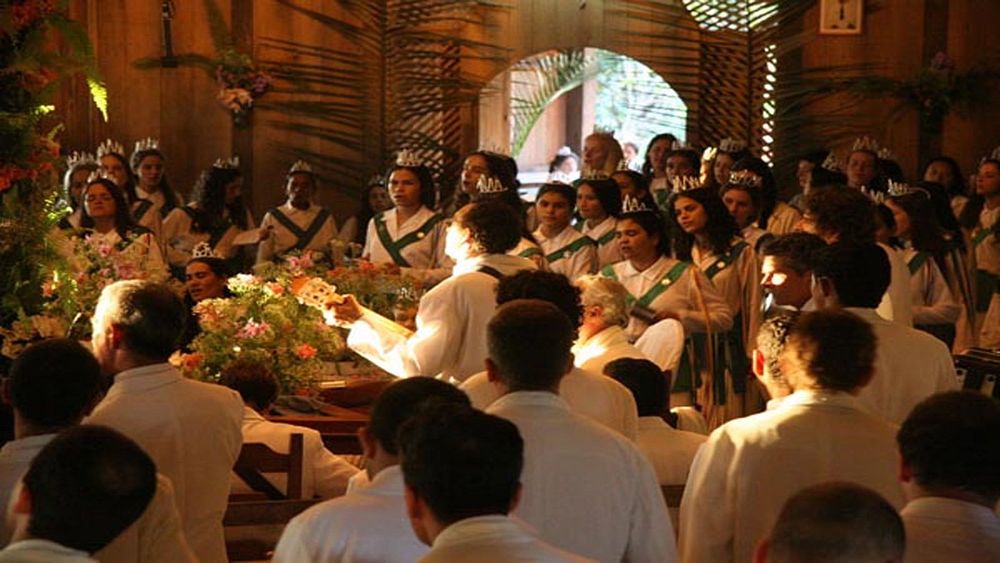
Syncretic religious traditions
In Brazil, syncretic religions like Santo Daime and União do Vegetal (UDV) incorporate ayahuasca (referred to as “Daime” or “Hoasca”) into Christian-inspired rituals.
These ceremonies blend elements of Catholicism, Spiritism, and Afro-Brazilian religions, often conducted in structured, church-like settings with hymns and formal attire.
These churches have also shaped the legal history of ayahuasca outside Brazil: their court cases in the Netherlands and elsewhere are at the centre of The Legal Paradox of Ayahuasca.
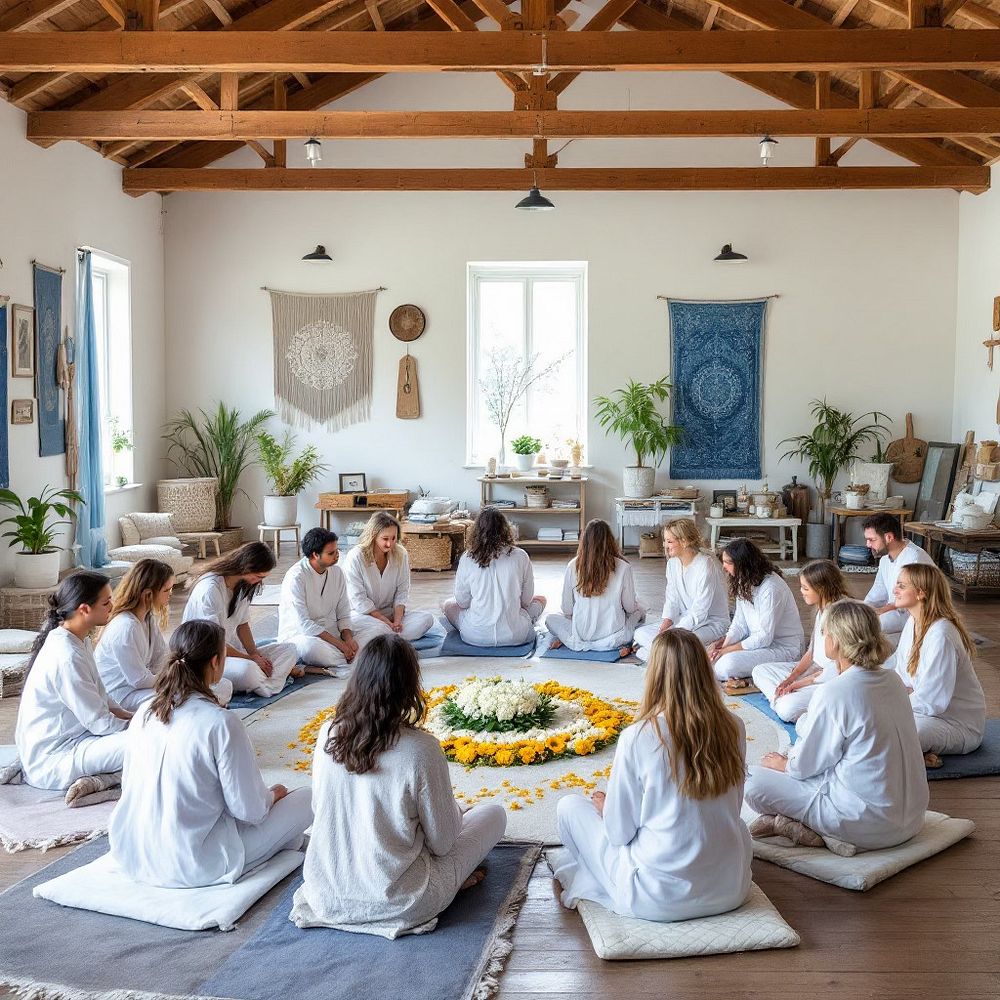
Neo-shamanic
This modern adaptation is often favourable to Western participants seeking personal or spiritual growth experiences. Settings are often more comfortable than those used in shamanic-style ceremonies and more culturally accessible for Western participants.
Ceremonies often blend elements from various traditions and are conducted by facilitators or self-identified shamans.
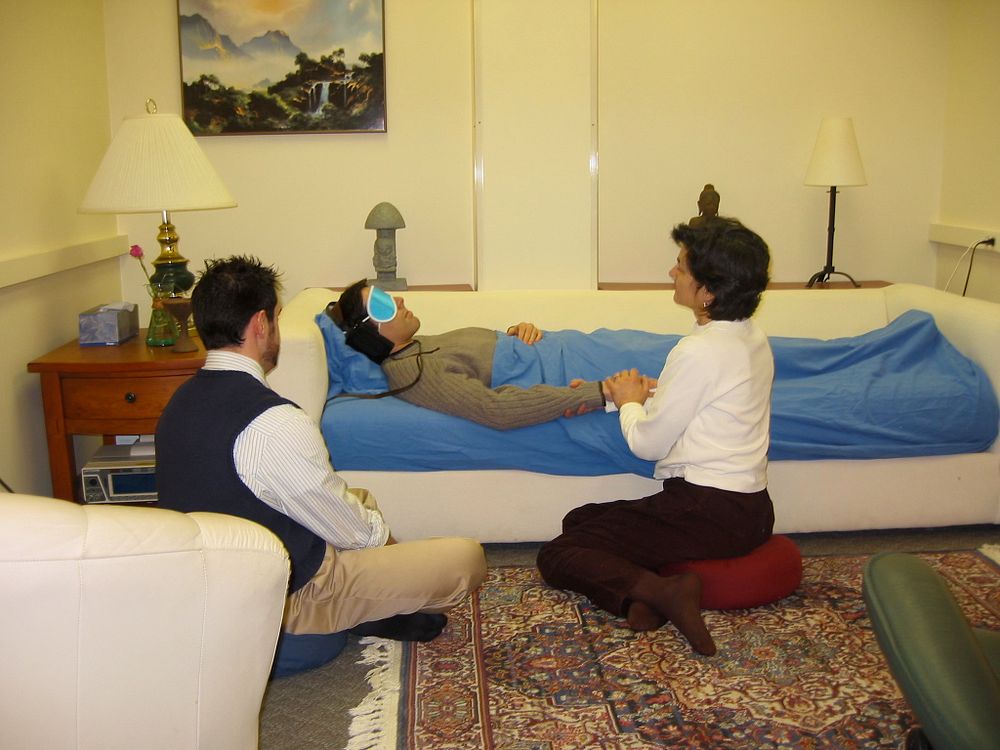
Therapeutic and clinical settings
Modern therapeutic approaches can involve the use of ayahuasca in controlled environments, often facilitated by psychologists or medically trained professionals. While some maintain ceremonial elements, others focus primarily on the clinical application.
These psychedelic-assisted sessions focus on mental health treatment, including addressing depression, PTSD, and addiction, emphasising integration and aftercare.
Whatever the tradition, the same baseline standards apply: see Safety and care.